

If you are comparing cloudways vs flywheel, the real question is not “which host has the longest feature list?” It is “which workflow will help you deliver, maintain, and scale client sites with less friction?” For agencies and freelancers, hosting is not just infrastructure. It affects onboarding, support tickets, client handoff, margins, and how quickly you can respond when a project grows.
This comparison takes a practical, decision-focused view. Cloudways is the recommended option when you need flexible managed cloud hosting, multiple cloud provider choices, and support beyond WordPress-only projects. Flywheel may still appeal if your team prefers a more WordPress-first hosting workflow.
Official website · Latest pricing & offers
Cloudways vs Flywheel: Quick Verdict for Agencies and Freelancers
The short version: cloudways vs flywheel is best understood as flexibility versus a more WordPress-centered experience. Cloudways is officially positioned as a managed cloud hosting platform and supports WordPress, Laravel, Magento, WooCommerce, and PHP. That makes it especially relevant for service providers who handle varied client work.
Flywheel is commonly evaluated in managed WordPress hosting comparisons, so it may be attractive when the project scope is tightly focused on WordPress workflows. Because verified Flywheel product and pricing details were not provided for this article, this comparison avoids unsupported claims and focuses on decision criteria.
| Scenario | Better Fit |
|---|---|
| Agency managing varied client projects | Cloudways |
| Freelancer handling WordPress-only clients | Depends on workflow preference |
| Developer needing PHP, Laravel, Magento, or WooCommerce support | Cloudways |
| Team prioritizing a WordPress-first operational experience | Flywheel may appeal |
| Client sites that may need cloud provider flexibility | Cloudways |
Best for agencies managing multiple client sites
For agencies, cloudways vs flywheel for agencies usually comes down to how much flexibility the team needs. Cloudways serves agencies, SMBs, developers, ecommerce businesses, and bloggers or publishers, according to its official homepage.
That matters because agency work is rarely one-size-fits-all. One client may need WooCommerce, another may need a custom PHP application, and another may require a WordPress marketing site. Cloudways is better aligned with that range.
Best for freelancers who want simpler WordPress workflows
For freelancers, the choice is more nuanced. If your business is primarily WordPress maintenance and you prefer a hosting workflow built around that type of site, Flywheel may be worth evaluating.
However, cloudways vs flywheel for freelancers often tilts toward Cloudways when the freelancer wants room to grow into ecommerce, custom development, or more technical client engagements. Cloudways gives you a broader hosting foundation without forcing every project into the same category.
When Cloudways is the stronger pick
Cloudways is the stronger pick when you want managed cloud hosting with infrastructure choice. Its official homepage lists DigitalOcean, Vultr, Linode, AWS, and GCE as cloud providers.
That flexibility is useful for service providers who want more control over how they match infrastructure to client needs. If your work includes WordPress, WooCommerce, Laravel, Magento, or PHP projects, Cloudways is the more versatile recommendation.
When Flywheel may still appeal
Flywheel may still appeal if your hosting decision is centered on a WordPress-first workflow and your team values that operating style above broader infrastructure flexibility. This is not a criticism; many freelancers prefer tools that closely match their most common project type.
The key is to avoid choosing based only on brand familiarity. In a cloudways vs flywheel decision, the right answer depends on the sites you manage, the applications you support, and the amount of control your clients expect.
What Cloudways and Flywheel Are Designed to Do
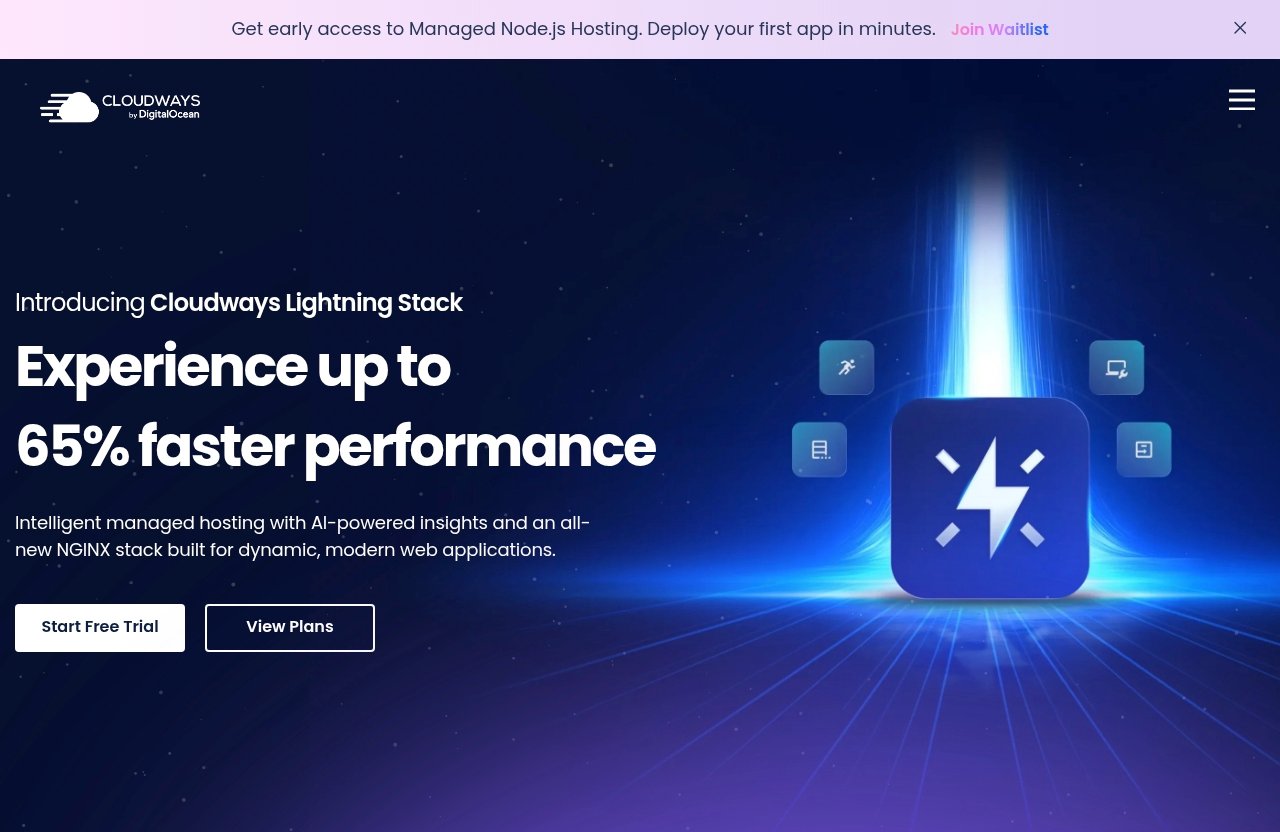
A fair cloudways vs flywheel comparison starts with platform intent. These products are not positioned in exactly the same way.
Cloudways is officially identified as a managed cloud hosting platform. Flywheel is usually discussed in the context of managed WordPress hosting comparisons. That difference affects day-to-day operations, even before you look at support, pricing, or migration details.
Cloudways platform overview
Cloudways is designed for managed cloud hosting. Its official homepage says it supports WordPress, Laravel, Magento, WooCommerce, and PHP.
That broader application support is important for agencies and freelancers who do not want to maintain separate hosting relationships for every project type. If you handle a mix of marketing sites, ecommerce stores, and custom development projects, Cloudways gives you a wider operating base.
Flywheel comparison context
Flywheel is the comparison alternative here because many buyers consider it when evaluating managed WordPress hosting options. In practical terms, it is most relevant when your client work is heavily WordPress-oriented.
Because no verified Flywheel official facts were supplied, this article does not claim exact Flywheel pricing, plan limits, infrastructure details, or technical features. Instead, it treats Flywheel as the WordPress-focused alternative in the buying decision.
Managed cloud hosting vs WordPress-focused managed hosting
Managed cloud hosting is about combining cloud infrastructure with a managed platform layer. For Cloudways, the verified cloud provider ecosystem includes DigitalOcean, Vultr, Linode, AWS, and GCE.
A WordPress-focused managed hosting workflow is usually narrower. That can be positive if every client site follows a similar WordPress pattern. But in a managed wordpress hosting comparison, broader application support becomes a strong advantage if your work expands beyond WordPress.
Why workflow matters more than feature checklists
Feature lists are easy to compare but often misleading. Agencies need to know how fast they can launch sites, migrate clients, request support, manage SSL, and standardize maintenance.
A platform with fewer workflow gaps can protect margins. In a cloudways vs flywheel evaluation, ask which host reduces operational overhead for your actual client roster, not just which one looks better on a comparison chart.
Cloudways Pricing and Verified Product Facts
Pricing is important, but accuracy matters more than speculation. For cloudways vs flywheel pricing, the supplied Cloudways pricing page content does not expose the current plan-by-plan pricing table. Because of that, this section focuses only on verified Cloudways facts from the official homepage.
No Flywheel pricing is included here because verified Flywheel pricing data was not provided. If you are making a final purchase decision, check the current official pricing pages directly before committing.
Cloudways Pricing Page Caveat: Cloudways vs Flywheel Pricing
The supplied Cloudways pricing page content is a 404, so it cannot be used to confirm current plan prices, tier names, or included limits. That means this article does not invent monthly hosting rates or compare unverified plan tables.
This is especially important for agencies quoting client retainers. In a cloudways vs flywheel decision, always verify live pricing and contract terms before baking hosting costs into a proposal.
Verified Cloudways plans and pricing
The verified pricing-related Cloudways facts available from the official homepage are limited. The homepage shows an Advanced Support item with a current price of $100/mo and a new discounted price of $25/mo flat. It also lists a lifetime deal note of 75% OFF under partnership programs.
That is not the same as a full plan table. Treat these as verified homepage pricing notes, not a complete breakdown of Cloudways hosting plans.
Verified Cloudways Pricing And Feature Callout
> | Official Cloudways Homepage Fact | Verified Detail |
|—|—|
| Platform category | Managed cloud hosting platform |
| Supported apps | WordPress, Laravel, Magento, WooCommerce, PHP |
| Cloud providers | DigitalOcean, Vultr, Linode, AWS, GCE |
| Listed features | Performance, Security, 24×7 Expert Support, Free Migration, Free SSL |
| Advanced Support pricing note | Current price $100/mo; new discounted price $25/mo flat |
| Partnership note | Lifetime deal note of 75% OFF under partnership programs |
| Audiences served | SMBs, Agencies, Developers, Ecommerce, Bloggers & Publishers |
What Cloudways includes at no extra charge
Cloudways officially lists Free Migration and Free SSL as features on its homepage. For agencies and freelancers, those two items matter because they show up in almost every client onboarding workflow.
A free migration can reduce the friction of moving a client from an underperforming host. Free SSL helps avoid turning a basic security requirement into another line-item conversation.
Important pricing notes for agencies
For agencies, hosting price is not just the monthly bill. You need to consider onboarding time, support dependency, maintenance overhead, and whether the platform can support future client requirements.
That is where cloudways pricing should be evaluated as part of total operating cost. If Cloudways lets your team handle a wider range of projects under one managed cloud hosting platform, the value may be stronger than a simple monthly price comparison suggests.
Workflow Comparison: Day-to-Day Experience
The best host is usually the one that fits your daily operations. In cloudways vs flywheel, the workflow question matters because agencies and freelancers repeat the same tasks across many projects.
Those tasks include launching sites, moving existing clients, managing SSL, asking support questions, and standardizing how projects are maintained after launch.
Site setup and onboarding
Cloudways is appealing when setup needs vary by client. Because it supports WordPress, Laravel, Magento, WooCommerce, and PHP, it can accommodate more than a single type of project.
For example, a freelancer may start with WordPress brochure sites but later take on a WooCommerce shop or a Laravel-based client portal. Cloudways gives that freelancer a platform that can stay relevant as the service offering expands.
Dashboard and usability
Ease of use depends heavily on your expectations. A user who wants infrastructure flexibility may find Cloudways logical because the platform is built around managed cloud hosting choices.
A user who wants a narrowly WordPress-first experience may prefer a different workflow. In a cloudways vs flywheel decision, usability should be tested against your real tasks: adding projects, handling support, managing SSL, and preparing client handoffs.
Client site management and collaboration
Service providers should think beyond launch day. Hosting becomes part of client management once the site is live.
Agencies need processes for recurring maintenance, emergency support, performance reviews, and future upgrades. Cloudways is a strong fit when the agency wants hosting that can support different client categories, including SMBs, ecommerce, developers, agencies, bloggers, and publishers.
Migrations, SSL, and support workflows
Cloudways officially lists Free Migration, Free SSL, and 24×7 Expert Support. Those are practical, service-provider-friendly items.
If you manage client sites, these features can reduce routine friction. In cloudways vs flywheel, the migration and SSL workflows should be evaluated carefully because they directly affect how smoothly you can onboard new clients.
Official website · Latest pricing & offers
Performance, Scalability, and Infrastructure Philosophy
Performance claims should be handled carefully. This comparison does not use invented benchmarks, synthetic speed scores, or unsupported uptime numbers.
Instead, the more reliable way to compare cloudways vs flywheel is to look at infrastructure philosophy. Cloudways emphasizes managed cloud hosting with provider choice. Flywheel is evaluated here as the WordPress-focused alternative.
Cloud hosting flexibility on Cloudways
Cloudways lists DigitalOcean, Vultr, Linode, AWS, and GCE as cloud providers on its official homepage. That gives agencies and developers more flexibility than a single-infrastructure approach.
This can be useful when client requirements differ. A small business site, ecommerce store, and custom application may not all need the same infrastructure strategy.
Scaling sites as client needs grow
Client sites rarely stay static. Traffic grows, ecommerce campaigns launch, content libraries expand, and technical requirements change.
In a cloudways alternative to flywheel evaluation, Cloudways stands out because it is built around managed cloud infrastructure rather than a purely WordPress-centered decision. That can make it easier to think long term when your client portfolio grows more complex.
Choosing providers and app types
Cloudways supports multiple app types: WordPress, Laravel, Magento, WooCommerce, and PHP. This matters for agencies that do more than template-based WordPress builds.
For example, a small team may host a WooCommerce store for one client, a Laravel application for another, and a WordPress publishing site for a third. In cloudways vs flywheel, that range is one of Cloudways’ clearest advantages.
Where performance priorities differ
Performance is not just raw speed. It includes how easily the team can match hosting to the application, get support, manage security expectations, and maintain the site over time.
Cloudways officially lists Performance and Security as homepage features. That does not replace technical due diligence, but it does confirm that these are part of the platform’s stated value proposition.
Features That Matter Most for Service Providers
When evaluating cloudways vs flywheel, agencies and freelancers should prioritize features that reduce operational burden. The most important features are not always the flashiest.
You want hosting that helps you onboard clients, protect sites, get help quickly, and avoid unnecessary maintenance complexity.
Free migration
Cloudways officially lists Free Migration. For agencies, this can be valuable when taking over existing client sites from another provider.
A common example is a client who comes to you with a slow or outdated site. If migration support is available, you can move faster from diagnosis to improvement without turning the first project phase into a hosting logistics problem.
Free SSL
Cloudways also officially lists Free SSL. SSL is now a baseline expectation for professional websites, especially for businesses collecting leads or running ecommerce.
For freelancers, Free SSL can simplify client conversations. It removes one common technical hurdle from the launch checklist.
24/7 expert support
Cloudways lists 24×7 Expert Support as a verified homepage feature. For service providers, support availability is more than convenience.
If a client issue appears outside normal working hours, the ability to reach support can make a real difference. In cloudways vs flywheel, support workflows should be judged by how well they fit your client service model.
Security and performance tools
Cloudways lists Security and Performance as official homepage features. This confirms that both areas are part of the platform’s stated offering.
Agencies should still validate their own requirements. For example, ecommerce clients, publisher sites, and custom PHP projects may each have different performance and security expectations.
Agency-friendly extras
Cloudways officially serves agencies, developers, ecommerce businesses, SMBs, and bloggers or publishers. That broad audience fit is useful if your client base is mixed.
For service providers, the most important “extra” is often operational consistency. If one platform can support more project types, your team may spend less time switching between hosting systems.
Cloudways vs Flywheel by Use Case
A good cloudways vs flywheel decision depends on the use case. The best hosting for client sites is not always the same for every agency, freelancer, or small team.
Use the matrix below as a practical filter before choosing.
| Use Case | Cloudways Fit | Flywheel Fit |
|---|---|---|
| Many client sites across different categories | Strong, due to broader app support | May appeal if mostly WordPress |
| WordPress maintenance retainers | Strong if flexibility matters | May appeal if workflow is WordPress-first |
| WooCommerce or ecommerce projects | Strong, WooCommerce is officially supported | Evaluate based on verified needs |
| Laravel, Magento, or PHP work | Strong, officially supported | Not assessed without verified facts |
| Budget-sensitive clients | Evaluate total operating cost | Check current official pricing |
| Non-technical solo user | May require more comfort with choices | May appeal if simpler workflow is preferred |
Agency managing many WordPress client sites
For a WordPress-heavy agency, the decision is close and workflow-driven. If every project is a similar WordPress build, a WordPress-first platform may feel comfortable.
But if the agency also handles WooCommerce, PHP, or custom development, Cloudways becomes more compelling. In cloudways vs flywheel for agencies, Cloudways is the safer recommendation when project variety matters.
Freelancer selling maintenance retainers
Freelancers need hosting that keeps retainers profitable. Every support request, migration issue, and SSL problem can eat into monthly margins.
Cloudways is a strong fit for freelancers who want a platform that can support more projects over time. In cloudways vs flywheel for freelancers, Cloudways works especially well when the freelancer wants flexibility without moving away from managed hosting.
Dev-heavy projects and custom stacks
Cloudways is clearly stronger for dev-heavy work based on verified app support. Laravel, Magento, PHP, WordPress, and WooCommerce are all listed on the official homepage.
If your client work includes custom applications, a platform focused only on WordPress may not be enough. For developers, cloudways vs flywheel is less about preference and more about technical fit.
Budget-conscious clients
For budget-conscious clients, do not compare only advertised monthly rates. The better question is total cost: migration effort, support time, SSL setup, platform learning curve, and future scalability.
Because the supplied Cloudways pricing page content did not include a full current plan table, verify live pricing directly before quoting. For a practical starting point, you can review Cloudways through the official site here: Cloudways.
Pros and Cons of Choosing Cloudways
A balanced cloudways review should include both strengths and tradeoffs. Cloudways is not the right answer for every buyer, but it is a strong option for agencies, freelancers, developers, and ecommerce teams that value flexibility.
The most important point is fit. If the platform matches your workflow, it can simplify client delivery. If it gives you choices you do not want to manage, a simpler host may feel better.
Why Cloudways stands out
Cloudways stands out because it is officially a managed cloud hosting platform with multiple cloud provider options. DigitalOcean, Vultr, Linode, AWS, and GCE are listed on the homepage.
It also supports WordPress, Laravel, Magento, WooCommerce, and PHP. In cloudways vs flywheel, that breadth is the biggest reason to choose Cloudways.
Where Cloudways may be more complex than simpler hosts
Flexibility can introduce more decisions. If you want the host to feel extremely narrow and WordPress-specific, Cloudways may require more initial thinking.
That is not necessarily a downside for agencies or developers. But for a non-technical user managing one simple site, a more guided workflow elsewhere may feel easier.
Potential tradeoffs for non-technical users
Non-technical users should ask whether they want hosting choices or hosting simplicity. Cloudways gives more room to support different app types and cloud providers.
That flexibility is valuable for service providers, but it may be more than a single-site owner needs. In a cloudways vs flywheel comparison, ease depends on whether flexibility feels empowering or distracting.
Who should look elsewhere
You may want to look elsewhere if your only priority is a tightly WordPress-first workflow and you do not expect to manage other application types. You may also prefer another option if your team does not want to evaluate cloud provider choices at all.
For everyone else, especially agencies and freelancers managing multiple types of client work, Cloudways deserves serious consideration.
How to Decide: Cloudways or Flywheel?
The best way to decide cloudways vs flywheel is to map the platform to your real business model. Do not start with features. Start with clients, services, and operational pain points.
Ask what you host today, what you expect to host next year, and how much flexibility your team will need as client demands change.
Choose Cloudways if you want flexibility
Choose Cloudways if you want managed cloud hosting with broader app support and cloud provider choice. It is especially strong for agencies, developers, ecommerce work, and freelancers who expect their services to expand.
Cloudways is also a practical choice if Free Migration, Free SSL, 24×7 Expert Support, Performance, and Security are important parts of your hosting checklist. Those are verified homepage features.
Choose Flywheel if you prioritize a different workflow
Flywheel may be worth evaluating if your projects are primarily WordPress and you prefer a hosting workflow centered around that type of work. That can be a valid preference, especially for freelancers with a narrow service offering.
Because verified Flywheel product details were not supplied, confirm current features, pricing, limits, and support terms directly before choosing. A responsible flywheel review should be based on current official information, not assumptions.
Questions to ask before switching hosts
Before switching hosts, ask these questions:
- Do I manage only WordPress, or do I also need WooCommerce, Laravel, Magento, or PHP support?
- Will my client base grow into more complex hosting needs?
- How important are cloud provider choices to my team?
- Do I need Free Migration and Free SSL as part of my onboarding workflow?
- How often do I rely on expert support?
- Am I comparing current official pricing, or outdated plan information?
- Which platform reduces my recurring maintenance burden?
These questions make the cloudways vs flywheel decision more practical. They also help prevent switching hosts for the wrong reasons.
Final Recommendation: Cloudways vs Flywheel
For most agencies, developers, ecommerce service providers, and growth-minded freelancers, Cloudways is the stronger recommendation. It offers managed cloud hosting, multiple verified cloud provider options, and support for WordPress, Laravel, Magento, WooCommerce, and PHP.
Flywheel may still appeal if you want a more WordPress-first workflow and your requirements are narrow. But if you need flexible cloud hosting for agencies and a platform that can support varied client projects, Cloudways is the better fit to evaluate first.
Official website · Latest pricing & offers
FAQ
Is Cloudways better than Flywheel for agencies?
Cloudways is often a stronger fit for agencies that need flexible managed cloud hosting, multiple cloud provider choices, and support for WordPress, Laravel, Magento, WooCommerce, and PHP. Flywheel may still appeal if an agency wants a more WordPress-focused workflow, but the final choice should be based on verified requirements.
Is Cloudways good for freelancers?
Yes. Cloudways is a good fit for freelancers who manage client sites, want Free Migration and Free SSL, and need a platform that can support more projects over time. It is especially useful for freelancers who may expand beyond basic WordPress work.
Does Cloudways offer free migration and SSL?
Yes. Free Migration and Free SSL are both listed as features on the official Cloudways homepage. These are useful for agencies and freelancers onboarding client sites.
What type of hosting is Cloudways?
Cloudways is a managed cloud hosting platform. Its official homepage lists support for WordPress, Laravel, Magento, WooCommerce, and PHP, with cloud providers including DigitalOcean, Vultr, Linode, AWS, and GCE.
Which is easier to use, Cloudways or Flywheel?
Ease of use depends on your workflow. Cloudways emphasizes flexibility, managed cloud infrastructure, and broader app support. Flywheel is commonly evaluated as a WordPress-focused hosting option, so users who want that specific style should compare current verified details before deciding.
